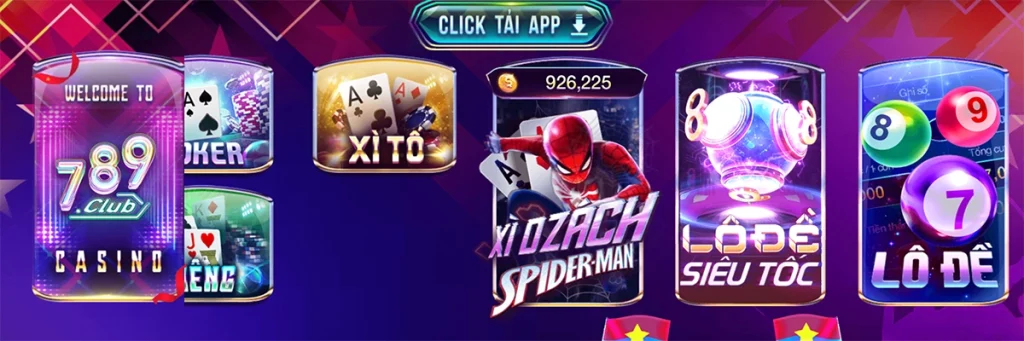
Understanding the Community Layer
The platform is designed to connect users through interaction, creating a sense of presence beyond individual gameplay, encouraging users to feel part of a broader network.
Users encounter activity that reflects real-time interaction from others, making the platform feel active, responsive, and continuously evolving.
Connected Gameplay Systems
Each section is designed to maintain awareness of other users without disrupting personal interaction, which enhances immersion without overwhelming the experience.
Interaction is not forced but naturally integrated, making engagement feel fluid and socially connected.
- Real-Time Game Spaces: Designed to reflect ongoing activity across users.
- Competitive Elements: Enhances motivation through visible progression.
- Casual Game Zones: Provides relaxed environments for individual interaction.
- Event-Based Features: Encourages temporary spikes in interaction.
Balancing Social and Personal Space
Instead, it presents community elements in a subtle and controlled manner, allowing users to engage at their preferred level of interaction.
Visual consistency plays a key role in maintaining clarity, regardless of how actively they participate in the community layer.
System Stability and Continuous Activity
A socially-driven platform requires consistent system performance, which is essential for maintaining user trust in a connected environment.
This allows real-time interaction to feel smooth and responsive, making the platform feel active and dependable at all times.
Long-Term Engagement Through Community
Familiarity with both the system and other participants creates a sense of continuity, which strengthens long-term engagement.
Over time, the platform evolves through ongoing activity rather than drastic changes, making engagement feel ongoing 789club rather than episodic.
Closing Insight
789Club stands out by emphasizing connection alongside gameplay, where gaming feels both personal and collectively engaging.